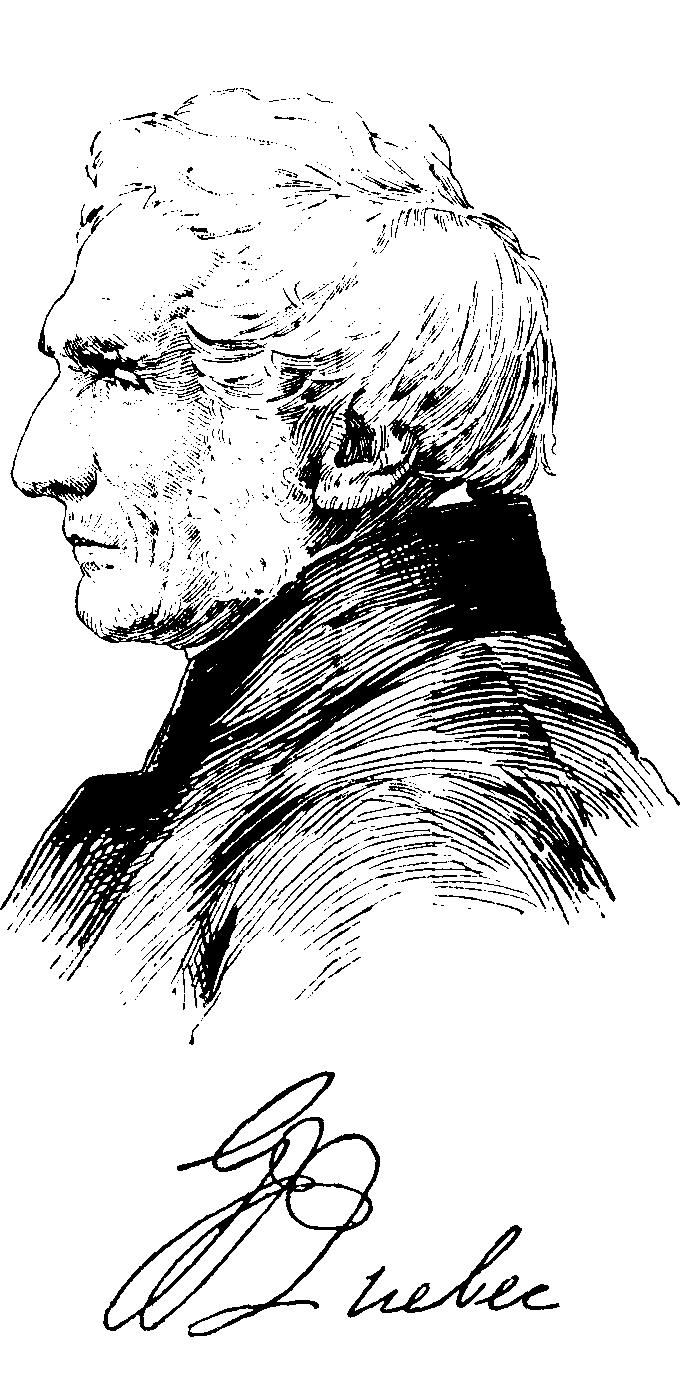
Appleton's Cyclopedia of American Biography, edited by James
Grant Wilson, John Fiske and Stanley L. Klos. Six volumes, New York: D. Appleton
and Company, 1887-1889 and 1999. Virtualology.com warns that these 19th Century
biographies contain errors and bias. We rely on volunteers to edit the historic
biographies on a continual basis. If you would like to edit this biographyplease
submit a rewritten biography in text form.
If acceptable, the new biography will be published above the 19th Century
Appleton's Cyclopedia Biography citing the volunteer editor
Virtual American Biographies
Over 30,000 personalities
with thousands of 19th Century illustrations, signatures, and exceptional life
stories. Virtualology.com
welcomes editing and additions to the
biographies. To become this site's editor or a contributor
Click Here
or e-mail Virtualology here.
MOUNTAIN, Jacob, Canadian Anglican bishop, born
at Thwaite Hall, Norfolk, England, in 1750; died near Quebec, Canada, 16 June,
1825. His grandfather, who was a great-grandson of the French essayist,
Montaigne, was exiled from France after the revocation of the edict of Nantes.
Mountain was graduated at Cambridge in 1774, became a fellow in 1779, and,
taking holy orders, held several important livings and a stall in Lincoln
cathedral. These he owed to the friendship of William Pitt, who also procured
his appointment in 1793 as the first Protestant bishop of Quebec.
At that time there were only nine clergymen of the
Church of England in Canada, and Quebec had no ecclesiastical edifice, no
episcopal residence, and no parsonage. During the thirty-two years that elapsed
before his death he raised the church to the flourishing condition to which it
afterward attained. He promoted the formation of missions, and the erection of
church edifices in all the more populous townships. These latter he visited
regularly, even when age and infirmity rendered so vast and fatiguing a circuit
a painful undertaking.
He served on several important occasions as a member, ex
officio, of both the executive and legislative councils of the province, sat
frequently in the court of appeals, and was a faithful and laborious servant of
the public and of the crown. He attained note as a pulpit orator, and his
self-sacrificing ministrations to the poor will long be remembered. He is the
author of "Poetical Reveries" (London, 1777).
--His son, George Jehoshaphat Mountain, Canadian
Anglican bishop, born in Norwich, England, 27 July, 1789; died in Quebec,
Canada, 8 January, 1863, was graduated at Trinity college, Cambridge, in 1810,
studied theology and was ordained a priest in 1813. His first appointment was
that of evening lecturer at the cathedral in Quebec, which he held till 1814. In
that year he was made rector of Fredericton, in New Brunswick, and continued
there until 1817, when he became rector of Quebec and bishop's official.
He was nineteen years rector before he was consecrated
bishop. In the midst of his labors came the cholera in 1832, and again in 1834,
when he was active in his ministrations to the sick and dying. In 1821 he was
made archdeacon of Quebec, and in 1825 deputed to go to England on church
business. On 14 February, 1836, he was consecrated bishop, with the title of
bishop of Montreal, and entered on his duties in the latter part of that year.
He had been about ten days in Quebec when Bishop Stewart
was obliged to retire from Canada, and the charge of the whole province devolved
upon Bishop Mountain. The latter continued, under the title of bishop of
Montreal, to administer this enormous diocese (which has since been divided into
six) until 1839, when Upper Canada was made a separate see. The whole of Lower
Canada remained under his supervision until 1850. In that year the see of
Montreal was erected entirely through his exertions, and Bishop Mountain was
elected to continue in charge of the poorer and by far more laborious part of
his late field of labor, the present diocese of Quebec.
Previously, in 1844, at the request of the Church
missionary society, he had made a visit of three months to the Red river
settlement. On his return his journal was published by the Church missionary
society, and through the facts thus brought to notice, and also through the
bishop's own earnest and repeated representations, the Red river settlement was
erected into an episcopal see in 1849, under the name of the Diocese of Rupert's
Land. In 1842, by his exertions, the Church Society was established. In 1844 he
founded the Lower Canada Church University, Bishop's College, Lennoxville. This
he always considered as the great work of his life, and he anxiously watched
over its progress.
Besides many sermons and addresses, Bishop Mountain
published "A Journal of a Northwest American Mission" (London, 1843), and "Songs
of the Wilderness," being a description of his Red River journey (1846). See a
"Memoir" of him written by his son, Armine Wale Mountain (Montreal,
1866).
--Another son of Jacob, Armine Simcoe Henry Mountain,
soldier, born in Quebec, Canada, 4 February, 1797; died in India, 8 February,
1854, studied military science in Germany, and also became an expert linguist,
speaking and writing most of the European and several of the oriental tongues.
He went to India as military secretary to Sir Colin Halkett, served as
adjutant-general in the Chinese war, where he received three balls in his body,
and afterward returned to India in the capacity of aide to Lord Dalhousie, then
governor-general.
At Chillianvallah he had charge of a brigade and
received the thanks of Lord Gough for a brilliant attack which secured the
victory. After the success at Gujerat he was promoted to the command of a
division. He was taken ill of fever on the march from Cawnpore to Futtyghur, and
died when in camp at the latter place. He had previously been made
knight-commander of the bath. See "Memoir and Letters," by his widow (London,
1857; 2d ed., same year, with additions).
--George Jehoshaphat's son, Armine Wale Mountain,
Canadian clergyman, born in Quebec, Canada, 2 July, 1823; died in Stony
Stratford, Buckinghamshire, England, 31 January, 1885, was graduated at
University college and ordained by his father in 1846. Like him he devoted
himself to the care of the poor in the suburbs of Quebec, while filling the
office of evening lecturer in the cathedral, and acting as chaplain and
secretary to the bishop. In 1855 he became rector of St. Michael's Sillery,
which was built through his exertions. In 1869 he left Canada for England, at
once taking the rectorship of St. Mary's, Stony Stratford, where he remained
until his death. At the request of the diocese of Quebec, he wrote a "Memoir" of
his father (Montreal, 1866).
MOUNTAIN, Jacob, Canadian Anglican bishop, born at Thwaite Hall, Norfolk, England, in 1750" &near Quebec, Canada, 16 June, 1825. His grandfather, who was a great-grandson of the French essayist, Montaigne, was exiled from France after the revocation of the edict of Nantes. Mountain was graduated at Cambridge in 1774, became a fellow in 1779, and, taking holy orders, held several important livings and a stall in Lincoln cathedral. These he owed to the friendship of William Pitt, who also procured his appointment in 1793 as the first Protestant bishop of Quebec. At that time there were only nine clergymen of the Church of England in Canada, and Quebec had no ecclesiastical edifice, no episcopal residence, and no parsonage. During the thirty-two years that elapsed before his death he raised the church to the flourishing condition to which it afterward attained. He promoted the formation of missions, and the erection of church edifices in all the more populous townships. These latter he visited regularly, even when age and infirmity rendered so vast and fatiguing a circuit a painful undertaking. He served on several important occasions as a member, ex officio, of both the executive and legislative councils of the province, sat frequently in the court of appeals, and was a faithful and laborious servant of the public and of the crown. He attained note as a pulpit orator, and his self-sacrificing ministrations to the poor will long be remembered. He is the author of "Poetical Reveries" (London, 1777).--His son, George Jehoshaphat, Canadian Anglican bishop, born in Norwich, England, 27 July, 1789; died in Quebec, Canada, 8 January, 1863, was graduated at Trinity college, Cambridge, in 1810, studied theology and was ordained a priest in 1813. His first appointment was that of evening lecturer at the cathedral in Quebec, which he held till 1814. In that year he was made rector of Fredericton, in New Brunswick, and continued there until 1817, when he became rector of Quebec and bishop's official. He was nineteen years rector before he was consecrated bishop. In the midst of his labors came the cholera in 1832, and again in 1834, when he was active in his ministrations to the sick and dying. In 1821 he was made archdeacon of Quebec, and in 1825 deputed to go to England on church business. On 14 February, 1836, he was consecrated bishop, with the title of bishop of Montreal, and entered on his duties in the latter part of that year. He had been about ten days in Quebec when Bishop Stewart was obliged to retire from Canada, and the charge of the whole province devolved upon Bishop Mountain. The latter continued, under the title of bishop of Montreal, to administer this enormous diecese (which has since been divided into six) until 1839, when Upper Canada was made a separate see. The whole of Lower Canada remained under his supervision until 1850. In that year the see of Montreal was erected entirely through his exertions, and Bishop Mountain was elected to continue in charge of the poorer and by far more laborious part of his late field of labor, the present diocese of Quebec. Previously, in 1844, at the request of the Church missionary society, he had made a visit of three months to the Red river settlement. On his return his journal was published by the Church missionary society, and through the facts thus brought to notice, and also through the bishop's own earnest and repeated representations, the Red river settlement was erected into an episcopal see in 1849, under the name of the diocese of Rupert's Land. In 1842, by his exertions, the Church society was established. In 1844 he founded the Lower Canada church university, Bishop's college, Lennoxville. This he always considered as the great work of his life, and he anxiously watched over its progress. Besides many sermons and addresses, Bishop Mountain published "A Journal of a Northwest American Mission" (London, 1843), and " Songs of the Wilderness," being a description of his Red river journey (1846). See a "Memoir" of him written by his son, Armine Wale (Montreal, 1866).--Another son of Jacob, Armine Simcoe Henry, soldier, born in Quebec, Canada, 4 February, 1797; died in India, 8 February, 1854, studied military science in Germany, and also became an expert linguist, speaking and writing most of the European and several of the oriental tongues. He went to India as military secretary to Sir Colin Halkett, served as adjutant-general in the Chinese war, where he received three balls in his body, and afterward returned to India in the capacity of aide to Lord Dalhousie, then governor-general. At Chillianvallah he had charge of a brigade and received the thanks of Lord Gough for a brilliant attack which secured the victory. After the success at Gujerat he was promoted to the command of a division. He was taken ill of fever on the march from Cawnpore to Futtyghur, and died when in camp at the latter place. He had previously been made knight-commander of the bath. See "Memoir and Letters," by his widow (London, 1857; 2d ed., same year, with additions).--George Jehoshaphat's son, Armine Wale, Canadian clergyman, born in Quebec, Canada, 2 July, 1823; died in Stony Stratford, Buckinghamshire, England, 31 January, 1885, was graduated at University college and ordained by his father in 1846. Like him he devoted himself to the care of the poor in the suburbs of Quebec, while filling the once of evening lecturer in the cathedral, and acting as chaplain and secretary to the bishop. In 1855 he became rector of St. Michael's Sillery, which was built through his exertions. In 1869 he left Canada for England, at once taking the rectorship of St. Mary's, Stony Stratford, where he remained until his death. At the request of the diocese of Quebec, he wrote a " Memoir " of his father (Montreal, 1866).
Unauthorized Site:
This site and its contents are not affiliated, connected,
associated with or authorized by the individual, family,
friends, or trademarked entities utilizing any part or
the subject's entire name. Any official or affiliated
sites that are related to this subject will be hyper
linked below upon submission
and Evisum, Inc. review.
Please join us in our mission to incorporate The Congressional Evolution of the United States of America discovery-based curriculum into the classroom of every primary and secondary school in the United States of America by July 2, 2026, the nation’s 250th birthday. , the United States of America: We The
People. Click Here